What qualifications do I need to coach online?
Online coaching starts from the same place as coaching in person. In the UK, a Level 3 personal training qualification is the usual standard for writing individual programmes, and Level 2 is the gym instructor level. Clients increasingly check whether a coach is on a professional register for exercise professionals, so joining one is worth considering.
Get insurance that covers online coaching, not just sessions in a gym, and check that it covers clients wherever they live. If you want to work with specific groups, such as pre and postnatal clients or people coming back from injury, extra courses give you the knowledge and give clients something to check.
Food is a separate profession. A meal plan built for one person is a job for a nutritionist or a dietitian, not for a trainer.
Who should I coach?
Pick a group of people you understand, not everyone. A clear niche makes every other decision easier: what you offer, what you charge, where you find clients and what you post.
Start with people you can coach well at a distance. Someone learning to squat from zero may need a few sessions in person before a plan on a phone is enough.
- People like your current in-person clients, who already trust what you do
- A goal you know well: a first pull-up, a stronger back, a return after pregnancy, a race
- A situation: busy parents, shift workers, people training at home with little equipment
What should an online coaching offer include?
Clients pay for a person, not a file. The offers that keep clients for months tend to include the same four things.
Be clear about what is not included. If you don't write meal plans, say so and say who does. Clients trust a coach who knows where their job ends.
- A plan built for each client, with every exercise explained, ideally with a video
- Technique feedback on the videos clients send, one or two cues at a time
- Check-ins at a set rhythm, weekly or every two weeks, where the plan is reviewed
- Chat for the questions that come up in between, with reply times you can keep
How much should I charge for online coaching?
Prices vary widely, so look at what coaches with a similar offer charge to clients like yours, rather than at one headline figure. Our guide on how much an online personal trainer costs shows the same picture from the client's side. As a general picture, app-only programmes with no person behind them sit at the bottom, monthly coaching with a named coach, a plan and video feedback sits in the middle, and hybrid packages with sessions in person sit at the top.
Then work from your own numbers: the hours each client takes you in a month, what you want to earn for an hour, and your costs, such as insurance, courses, software and card fees. Most coaches charge a monthly price that renews, because the work is ongoing. When you raise prices, start with new clients and tell existing ones well in advance.
How do I find my first clients?
The first ones usually come from people who already know you: in-person clients who move away, friends of clients, people who follow what you share. Ask for honest reviews once clients have seen results, and show those results only with their permission.
Show your qualifications plainly, and offer a short conversation before anyone pays. It lets a client see how you listen, and it lets you turn away people you cannot help, which protects your reviews.
What tools does an online personal trainer need?
Fewer than the market suggests, but they have to work together. Plans in one app, videos in another and chat on your personal phone is how messages get lost.
Watch how tools are priced. Many charge a monthly fee that rises with the number of clients, so your software bill grows every time your business does.
- An app where clients see their plan, with a video for every exercise, and log their sets
- A way to receive technique videos and reply to them
- Chat in the same place as the plan
- Progress clients can see: personal bests, body measurements, before and after
- Booking and payments, with the money paid into your own account
How does coaching online work on Yeki?
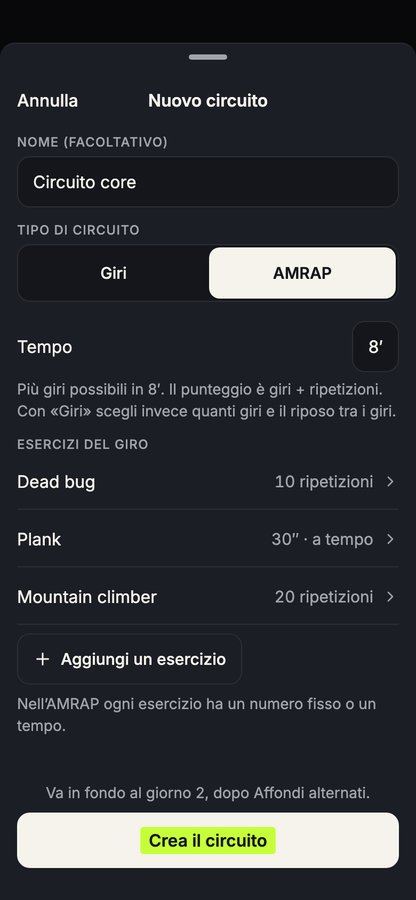
Yeki is free software for personal trainers: no subscription, no tier and no fee per client. You write workout plans and circuits, every exercise with a video and its sets, and clients log weights and reps on their phone. Personal bests, body measurements and before and after show them their progress across their whole history, and chat keeps you close between check-ins.
Sessions sit in your calendar and clients book them in the app. You sell single sessions, packs and memberships, with the money paid straight into your bank account and instalments when you offer them. When you also see a client in person, you log their sets from your phone on the gym floor. If they work with a nutritionist on Yeki, the meal plan sits next to your training plan, each signed by the professional who wrote it.
People can find you in the app too: they see your results and reviews, and they can talk to you in chat before paying anything. When a client buys from you in the app, a small service fee is added to your price unless they have Plus or the Pass, and you can choose to cover it yourself.