What kinds of company fitness scheme are there?
Most schemes fall into five kinds, and the right one depends on where your people live and work and what they like doing.
- An on-site gym: convenient for one large office, expensive to build and run, and no use to people who work from home
- A corporate rate at one gym or chain: simple, but it suits only the people who live or work near it and like that kind of gym
- Discounts reserved for employees at a few gyms the company chooses, near the office: a light way to start
- A multi-gym membership paid all or in part by the company: one plan for gyms, studios, pools and classes in different places, chosen by each person
- A wellbeing allowance or reimbursement: flexible, but more admin, and harder to see whether it is used for movement at all
Which one suits my team?
Start by asking your people, in a short anonymous survey: what they do now, what they would do if it were paid for, and where they would do it. The answers save you from buying a benefit only a few people want.
If your team is spread out, hybrid or remote, anything tied to one building or one chain will leave many people out: a membership that works in many places fits better. If interests vary, from weights to yoga to swimming, look for one membership that covers them all rather than the gym the boss likes. And if the budget is tight, covering part of a plan and letting people pay to upgrade reaches more people than covering a few in full.
How is a corporate membership priced?
Providers usually charge in one of three ways. Some price per employee on your whole headcount, whether people use it or not. Some charge only for the people who activate it. Some ask for an annual contract, billed monthly, with a price based on team size.
For a small business, the details matter more than the headline: is there a minimum number of people, a minimum term, a set-up fee? What happens when someone joins or leaves halfway through the month? Ask for these answers in writing before you compare prices. Our guide to choosing a corporate wellness provider lists the rest.
Tax is a separate question. In the UK, a membership the company pays for is usually a benefit in kind, while gyms on your own premises and negotiated discounts are treated differently. Our guide on whether a gym membership is a taxable benefit has the details and the official pages; check with your accountant before you announce anything.
How can I measure use without tracking people?
You need to know whether the benefit is worth its cost. You don't need to know who went to the gym on Tuesday. Keep the two apart from the start.
Ask for aggregate figures only: how many people have activated the membership, and how much it is used overall each month. Avoid reports by team when a team is small, because a figure for a three-person team identifies people. Pair the numbers with a short anonymous survey once or twice a year.
Then tell your people, in writing, exactly what the company sees and what it doesn't. People use a benefit more freely when they know their workouts are not being watched.
Can we start with discounts at a few gyms near the office?
Yes, and for many companies it is the easiest start. You choose a few gyms near the office, a discount is reserved for your employees, and the people who would like to train near work have a reason to try. It suits teams who mostly work in one place.
It leaves out people who live far away, work from home or prefer a pool or a yoga studio. That is why many companies pair the discounts with a membership valid in many places, or add one once they see who uses the discounts.
How do I get people to use it?
Launch it properly: a short message from someone senior, a clear page on how to join, and an invite that takes a minute to accept. Add it to your onboarding, so new starters hear about it in their first week.
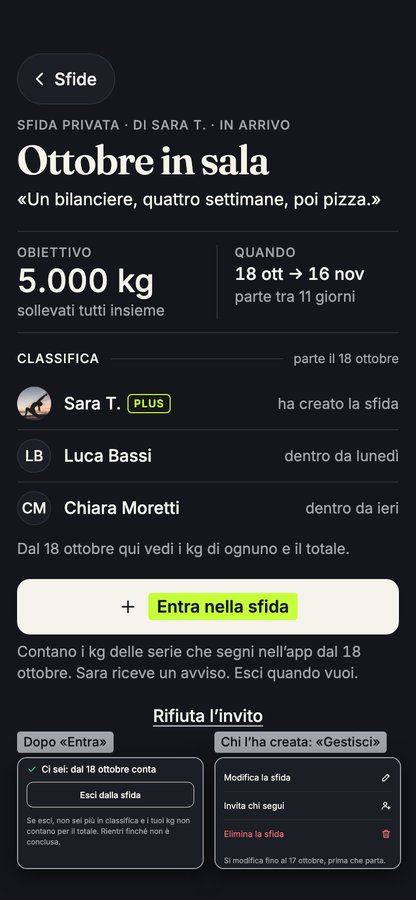
Give it a reason to be talked about. A team challenge in the first month, with a leaderboard, gets people moving together and gives the benefit a story. After that, a reminder every month or two is enough.
Decide early what happens when someone leaves: when the company stops paying, and whether the person can keep their membership in their own name.
How does Yeki Pass work for companies?
Yeki Pass is one monthly membership for gyms, studios, pools and sports centres, with plans S, M and L. The company decides how much to cover, the whole plan or part of it, and anyone who wants a higher plan pays the difference. Everyone gets an invite, downloads the app and picks their plan and places, and you add or remove people in a minute.
There is one charge a month, only for the people who have activated the Pass, with a list updated every month, and no minimum number of people. If you would rather start with a few gyms near the office, Yeki also sets up discounts for your employees at the gyms you choose.
Plus is included, with workout plans, progress, nutrition and full history in the app, team challenges between colleagues and offices with a leaderboard, and partner discounts on physiotherapists, nutritionists, events and shops. The company sees aggregate numbers only: how many people have the Pass and how much they use it, never who, where or when. When someone leaves, their Pass stops at the end of the month and they can keep it going in their own name. Along with the proposal, we send you guidance on how the Pass is treated in your country.